






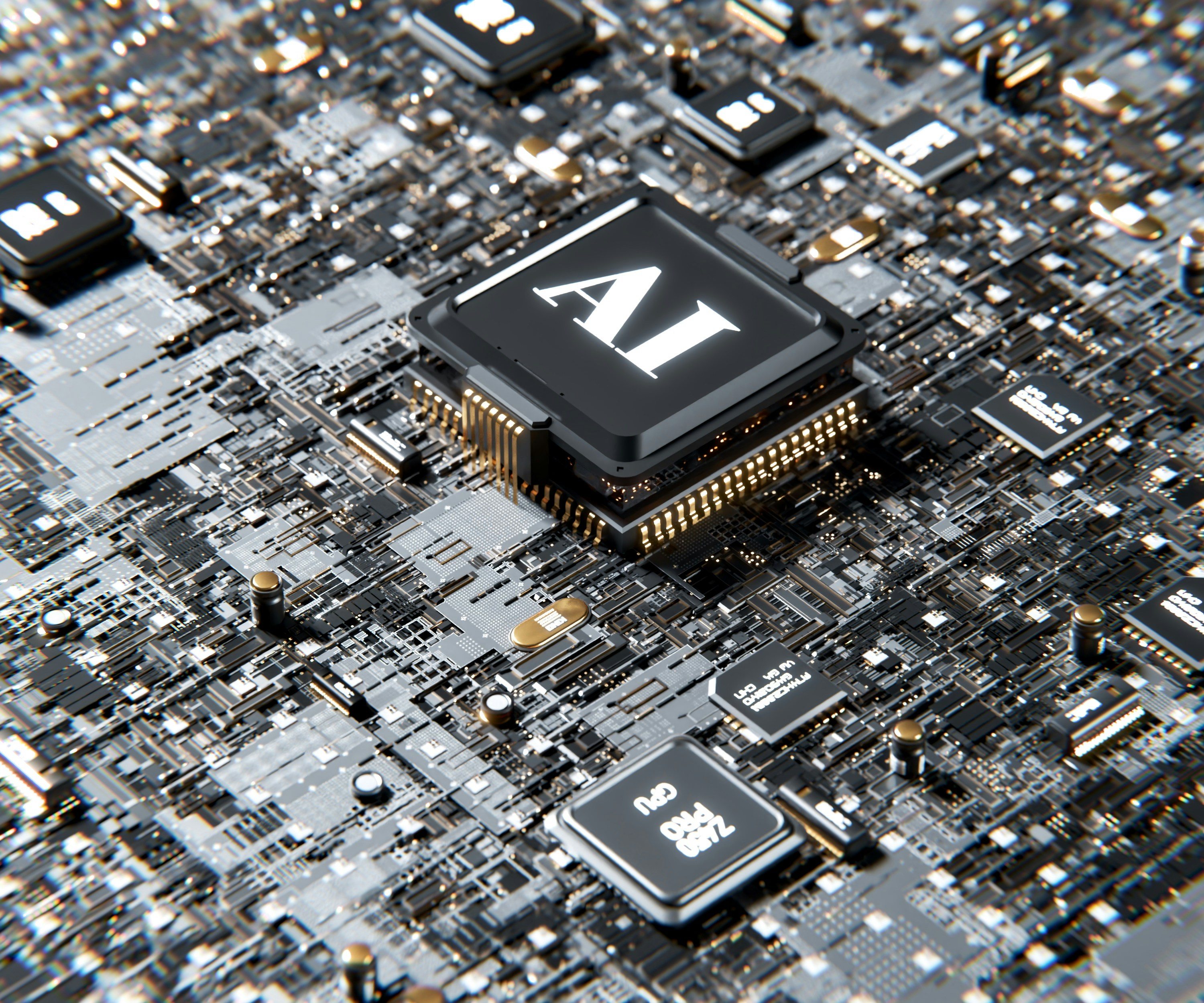

In 2026, advances in computing hardware are pushing in two striking directions: making semiconductor systems denser and more capable, and connecting digital devices more directly with the human nervous system. Developments associated with IBM’s reported 0.7-nanometer, or 7-angstrom, concept and Neuralink’s brain-computer interface work illustrate these ambitions, though they address different technical challenges.
IBM’s push beyond the nanometer
The headline-grabbing IBM concept centers on a “nanostack” approach: arranging layers of transistors vertically rather than relying only on scaling features across a flat surface. In principle, sequential 3D integration can increase the number of devices packed into a small area and shorten connections between components. The reported ambition of roughly 100 billion transistors on a fingernail-sized footprint conveys the potential density.
Such figures should be understood as technology claims or targets, not as a simple measure of what any chip can deliver in everyday use. At these scales, engineers must manage heat, power, manufacturing consistency, and the costs of producing complex layered structures. Progress depends not only on transistor dimensions, but also on packaging, materials, and how reliably separate layers work together.
Neural interfaces and specialized chips
Neuralink’s brain-computer interface work represents a different kind of hardware progress. Its aim is to detect signals from the brain and translate them into commands for external devices. This requires compact electronics, careful signal processing, and reliable communication between implanted components and computing systems. The potential applications are significant, especially for people with severe movement impairments, but safety, long-term performance, privacy, and clinical evidence remain central considerations.
Why the breakthroughs matter
Together, these directions show that the future of computing is not defined by smaller transistors alone. More capable chip architectures could support demanding workloads while specialized devices bring computing into new settings, including medical care. Yet laboratory demonstrations and ambitious announcements are only early milestones. Manufacturing at scale, independent validation, affordability, and responsible deployment will determine whether these breakthroughs become practical technologies.







+ There are no comments
Add yours