






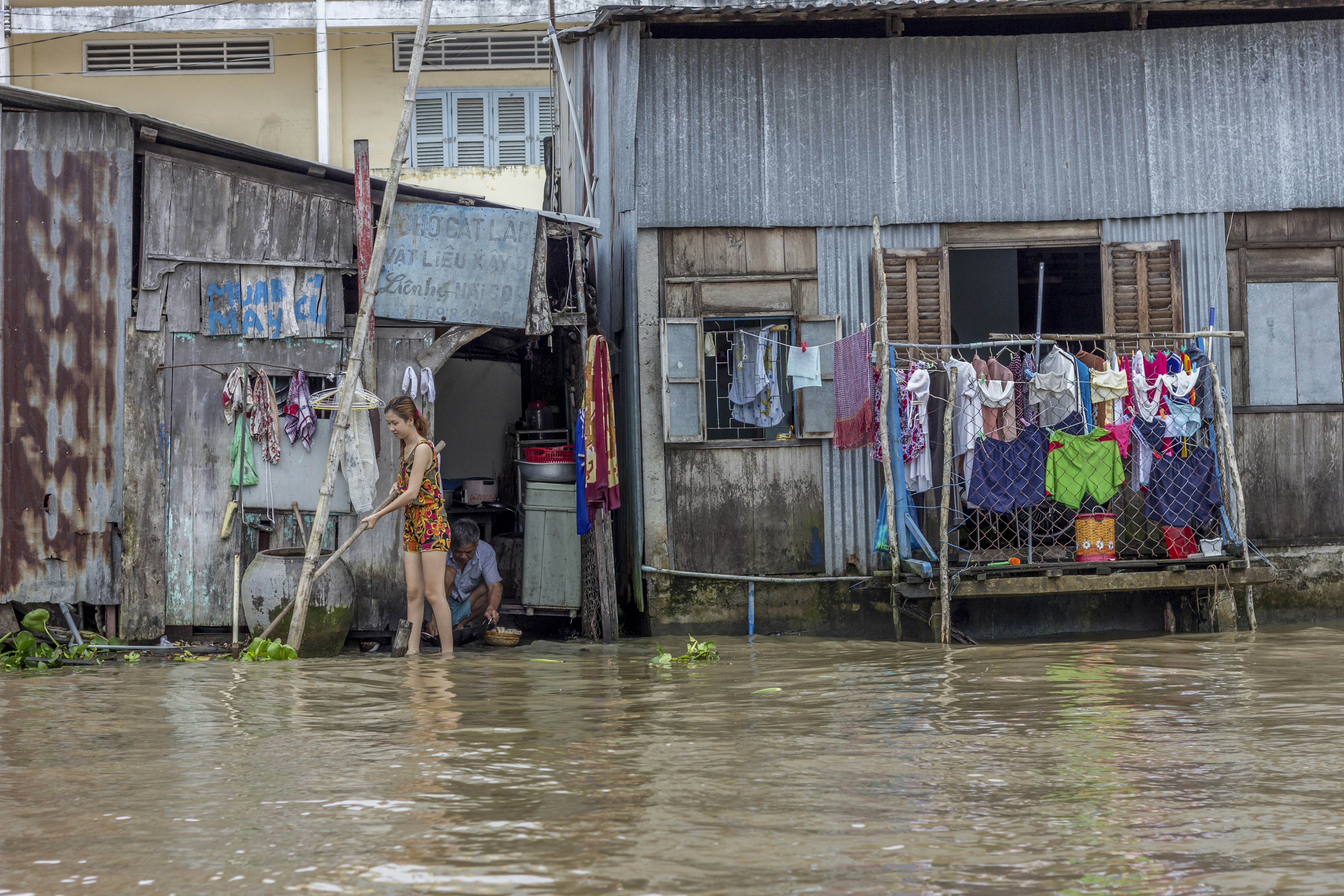
Nepal and parts of South Asia are facing a difficult period of recovery after severe late-monsoon flash floods, while renewed flood warnings keep communities on alert. The immediate danger may ease in some places, but the effects of fast-rising water can persist long after rainfall stops. Damaged homes, disrupted roads, interrupted services and losses to livelihoods can make the days that follow especially challenging.
Recovery continues beyond the floodwaters
For affected households, recovery often begins with basic needs: safe drinking water, food, temporary shelter and access to medical care. Flooding can contaminate wells and other water sources, while mud and debris may create additional health and safety risks. Local authorities, relief organizations and community groups play important roles in identifying urgent needs and reaching people whose homes or routes have been cut off.
Restoring transport links and essential services is also critical. Roads and bridges connect isolated communities to clinics, markets and assistance. Where infrastructure has been damaged, careful inspections are needed before routes reopen, since unstable ground and hidden structural damage can pose hazards.
Warnings remain important
Continuing flood alerts underline that the risk may not be over. Heavy rain can quickly raise river levels or trigger flash floods, particularly in areas with steep terrain, saturated soil or limited drainage. Residents should follow official advisories, pay attention to changing conditions and avoid crossing swollen rivers or flooded roads. Moving to higher ground when instructed can provide vital protection.
Clear, timely communication matters. Local warnings should reach people in accessible languages and through channels they can use, including community networks. Preparedness plans can also help families identify evacuation routes, keep essential medicines and documents together, and agree on how to contact one another.
Building resilience for the months ahead
As emergency response continues, recovery planning can address longer-term vulnerabilities. Repairing infrastructure to withstand future extreme weather, improving drainage and strengthening local preparedness may reduce the impact of future floods. Support must remain attentive to people facing the greatest barriers to safety and recovery.
The situation calls for both practical assistance and vigilance. Continued updates, coordinated relief and investment in resilience can help communities move from immediate response toward a safer, more secure recovery.


+ There are no comments
Add yours